
Achieving a truly seamless lifestyle requires far more than purchasing a collection of smart devices and hoping they work together. As a CEDIA Certified Professional Designer, my role is to architect environments where technology genuinely serves the homeowner — invisible when not needed, responsive when it is. Smart home integration at a professional level is a disciplined engineering and design process that transforms a house into a responsive, secure, and future-proof living ecosystem. This guide breaks down the core pillars that separate a high-performance integrated home from a frustrating pile of disconnected gadgets.
What Is Professional Smart Home Integration?
Professional smart home integration is the process of unifying all home technology systems — lighting, HVAC, security, and audio-visual — under a single, reliable control platform, designed and installed to industry standards for maximum performance and longevity.
Most homeowners begin their smart home journey by purchasing individual products: a smart bulb here, a video doorbell there. The result is typically three or four separate apps, inconsistent automations, and a system that frustrates rather than simplifies. Professional integration solves this by engineering the entire ecosystem from the ground up. According to CEDIA (Custom Electronic Design and Installation Association), the global authority for the home technology industry, a certified professional follows rigorous standards for design, installation, and documentation — ensuring that every subsystem communicates reliably and that the homeowner receives a cohesive, intuitive experience.
The difference is systemic. A professionally integrated home does not just respond to individual commands; it anticipates patterns, executes complex multi-system automations, and maintains consistent performance over years of daily use. When you press a single “Goodnight” scene button, the system simultaneously locks every entry point, arms the security perimeter, dims bedroom lighting to a preset level, lowers the thermostat to your preferred sleep temperature, and silences audio-visual systems throughout the house. That level of coordinated response is only achievable through unified design — not pieced-together apps.
The Infrastructure Foundation: Wired First, Wireless Second
A reliable smart home is built on a wired backbone. Cat6 cabling or fiber optic infrastructure is the industry standard for professional installations, delivering the low-latency, high-bandwidth performance that wireless-only systems simply cannot guarantee.
One of the most common mistakes homeowners make is assuming that Wi-Fi is sufficient for a fully integrated home. For casual consumer devices, wireless connectivity is acceptable. For a system managing security cameras, whole-home audio, motorized shading, and automated lighting simultaneously, wireless congestion becomes a serious liability. Professional designers specify structured wiring plans before a single device is installed.
A robust wired infrastructure, typically utilizing Cat6 or fiber optics, forms the nervous system of a high-end smart home. Cat6 supports data transfer speeds up to 10 Gbps over short distances and handles Power over Ethernet (PoE) delivery, which allows network switches to power devices like IP cameras, access points, and touchscreens directly through the cable — eliminating the need for separate power adapters and reducing clutter. Fiber optic runs are specified for longer backbone connections between distribution frames, ensuring zero signal degradation across a large estate.
This infrastructure investment also pays long-term dividends. As new devices and protocols emerge, a well-structured wired network accommodates upgrades without requiring the homeowner to tear open walls. The cable plant is, in many ways, the most permanent and valuable element of the entire installation.
Interoperability and the Matter Protocol
The Matter protocol is a landmark industry standard that enables seamless interoperability between devices across competing ecosystems, including Apple Home, Google Home, and Amazon Alexa, eliminating brand lock-in for homeowners and integrators alike.
For years, ecosystem fragmentation was the single biggest technical challenge in smart home integration. A homeowner invested in Apple HomeKit-compatible devices only to find they were incompatible with a preferred HVAC controller running on a proprietary protocol. A professional integrator spent significant project hours writing custom drivers and workarounds just to make disparate systems communicate.
“Matter represents the most significant shift in smart home interoperability in over a decade, providing a royalty-free, IP-based connectivity standard that works natively across all major platforms.”
— Matter Protocol Specification, Connectivity Standards Alliance
The Matter protocol, developed by the Connectivity Standards Alliance, fundamentally changes this dynamic. Devices certified under Matter can communicate natively with Apple Home, Google Home, Amazon Alexa, and Samsung SmartThings without requiring separate bridges or hubs. For the professional integrator, this means less time on protocol translation and more time on user experience design and automation logic. For homeowners, it means genuine freedom to select the best device for a specific application without worrying about platform compatibility.
That said, Matter does not eliminate the need for professional design. The protocol handles device communication, but it does not design the automation logic, specify the network architecture, or ensure that the system is cybersecure. Those remain the domain of the trained specialist.
Invisible Technology and Aesthetic Integration
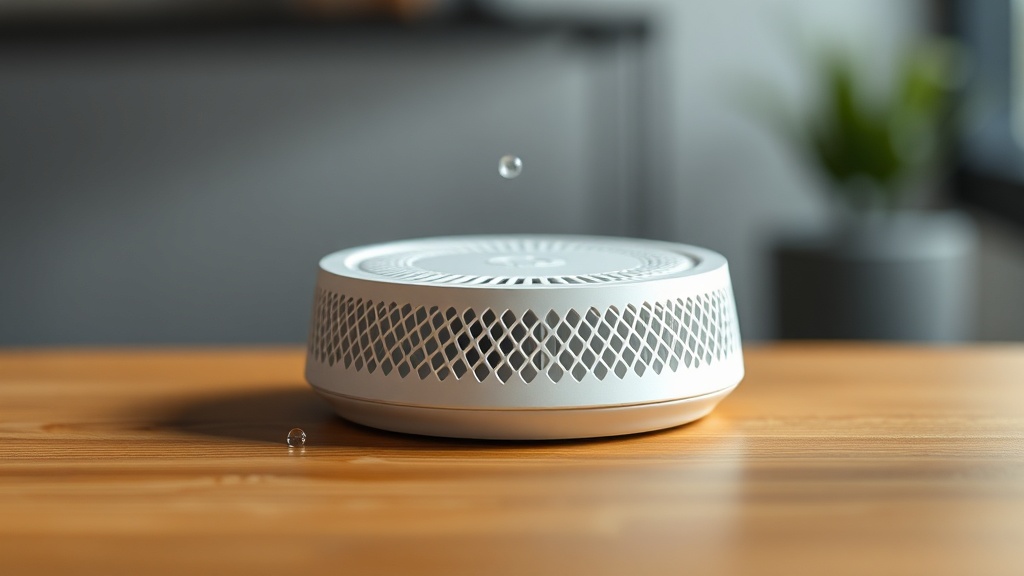
Professional designers prioritize “invisible technology” — hardware that is concealed, flush-mounted, or architecturally blended so that smart systems enhance a home’s design rather than visually competing with it.
The most technically advanced smart home installation is a failure if it clutters the interior with exposed wires, bulky keypads, and blinking status lights on every surface. Aesthetic integrity is a non-negotiable principle in high-end residential design. A CEDIA-certified professional approaches each project with both an engineering mindset and a design sensibility.
Practical implementations of invisible technology include: in-wall and in-ceiling speaker systems calibrated to the room’s acoustic properties, motorized projector screens that descend from flush ceiling pockets, touchscreens integrated directly into wall surfaces with matching finish materials, and lighting keypads specified to complement the architectural hardware throughout the home. HVAC sensors are selected for minimal visual footprint, and surveillance cameras are chosen for both performance and low-profile form factors.
Motorized shading systems represent one of the clearest examples of functional invisibility. Roller shades or drapery systems integrated with the smart home platform can respond to daylight sensors, time schedules, and occupancy — automatically managing solar gain without the homeowner thinking about it. The technology performs its function silently and without demanding attention. That is the gold standard of integrated design.
Cybersecurity and Network Segmentation
Cybersecurity is a foundational element of professional smart home design. Network segmentation isolates IoT devices from personal computing assets, protecting sensitive data and ensuring that a compromised smart device cannot serve as an entry point to the broader home network.
The rapid proliferation of connected devices in the home has created a significant and underappreciated security exposure. Each IoT device — a smart lock, an IP camera, a connected appliance — represents a potential attack vector. A consumer-grade router with default settings and a single flat network provides virtually no protection against lateral movement by a malicious actor who gains access through one vulnerable device.
Professional integrators address this through network segmentation, the practice of dividing a single physical network into multiple isolated virtual networks (VLANs). Under this architecture, IoT devices operate on a dedicated VLAN with no ability to communicate with the network segment hosting personal computers, network-attached storage, or sensitive files. Security cameras are typically placed on their own isolated VLAN as well, with access strictly controlled through the management interface.
Beyond segmentation, professional installations include enterprise-grade firewall appliances, automated firmware update policies, strong unique credentials for every device, and where applicable, VPN access for remote management. These measures are not optional extras — they are standard practice for any system designed to the professional benchmark.
Comparing Integration Approaches: DIY vs. Professional
| Criteria | DIY Consumer Setup | CEDIA Professional Integration |
|---|---|---|
| Infrastructure | Wireless-dependent, consumer router | Structured Cat6/fiber backbone, enterprise networking |
| Control Platform | Multiple disconnected apps | Unified control system with programmed scenes |
| Interoperability | Limited, often ecosystem-locked | Matter-compliant, cross-platform by design |
| Aesthetics | Visible hardware, mixed device styles | Invisible or architecturally integrated hardware |
| Cybersecurity | Flat network, default credentials, high exposure | VLAN segmentation, firewall, managed updates |
| Scalability | Ad hoc, often requires full replacement | Future-proofed, modular expansion supported |
| Support | Self-managed, manufacturer dependent | Ongoing professional service and remote monitoring |
Building for the Future: Scalability and Long-Term Value
A professionally integrated smart home is designed for scalability, allowing new technologies and subsystems to be added without disrupting existing infrastructure — protecting both the homeowner’s investment and the long-term functionality of the system.
The technology landscape evolves rapidly. Protocols that are current today may be superseded within five years. Devices that are flagship products now will reach end-of-life. A professionally designed system anticipates this reality through deliberate architecture choices. The structured cable plant, as discussed, accommodates future devices. Control systems are selected from vendors with proven long-term software support commitments. Where possible, open-standard protocols are prioritized over proprietary ones to reduce vendor lock-in.
Documentation is another critical but often overlooked component of professional work. A CEDIA-certified installer delivers a full as-built documentation package: network diagrams, device IP address inventories, automation logic descriptions, and programming backups. This documentation ensures that any qualified technician can service, modify, or expand the system years down the line — even if the original integrator is no longer available. For homeowners, this translates directly into resale value and peace of mind.
The investment in professional smart home integration is ultimately an investment in the livability and value of the property itself. A well-documented, standards-compliant integrated home commands a measurable premium in the luxury residential market, and more importantly, it delivers on the core promise: technology that works for the homeowner, invisibly and reliably, every single day.
FAQ
What does a CEDIA-certified smart home integrator actually do differently from a general electrician or AV installer?
A CEDIA-certified professional is trained in the complete ecosystem design process — encompassing network architecture, multi-system automation programming, acoustics, cybersecurity, and aesthetic integration. A general electrician handles power distribution and wiring compliance. A standard AV installer focuses on display and audio equipment. The CEDIA professional designs and programs the unified system that makes all of these subsystems operate together as a single, cohesive platform, following documented industry standards for reliability and safety.
Is the Matter protocol sufficient for whole-home professional integration on its own?
Matter greatly simplifies device interoperability across major platforms like Apple Home, Google Home, and Amazon Alexa, which is a significant technical advancement. However, Matter addresses communication between devices — it does not replace the need for professional-grade control platforms, network infrastructure design, automation logic programming, or cybersecurity architecture. For a simple consumer setup, Matter is a valuable improvement. For a whole-home professional integration, it is one important component within a much broader engineered system.
How does network segmentation protect a smart home, and is it necessary?
Network segmentation divides your home network into isolated virtual LANs (VLANs) so that IoT devices — smart locks, cameras, sensors — operate on a separate network segment from your personal computers and sensitive data. If a smart device is compromised, the attacker cannot access your personal files or banking data because the segments are isolated. For any home with more than a handful of connected devices, particularly one with security cameras or smart locks, professional-grade network segmentation is not optional — it is a fundamental safety requirement.
References
- CEDIA (Custom Electronic Design and Installation Association). Professional Standards for Home Technology Integration. https://cedia.org
- Connectivity Standards Alliance. Matter Protocol Specification — IP-Based Smart Home Connectivity Standard. https://csa-iot.org
- TIA (Telecommunications Industry Association). TIA-568 Structured Cabling Standards — Cat6 and Fiber Infrastructure. https://www.tiaonline.org
- NIST (National Institute of Standards and Technology). Guidelines for Smart Home Cybersecurity and Network Segmentation Best Practices. https://www.nist.gov/cybersecurity
- Wikipedia. Home Automation — Overview of Smart Home Integration History and Technology. https://en.wikipedia.org/wiki/Home_automation